
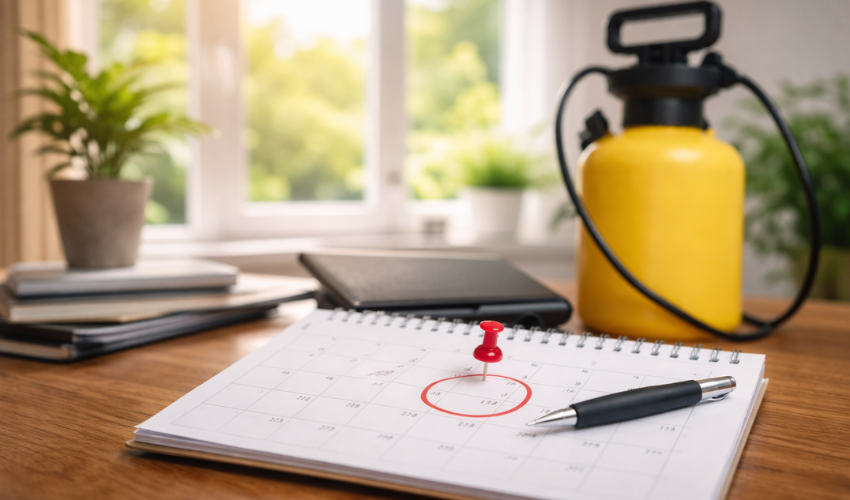
If you live or operate a business in Nairobi, one of the most common questions you’ll ask after fumigation is, “How often should I fumigate?” The answer is not the same for everyone. How often you fumigate depends on where you live, the type of space you occupy, your environment, and how exposed your property is to reinfestation. In Nairobi and its surrounding areas—Westlands, Kilimani, Kileleshwa, Lavington, South B, South C, Embakasi, Kasarani, Ruaka, Runda, Thika Road estates, Rongai, Karen, Lang’ata, and the CBD—fumigation schedules vary widely between homes and businesses.
This guide explains how often fumigation should be done, why timing matters, and how to create a practical fumigation schedule that protects comfort, hygiene, and long-term results.
Why Fumigation Frequency Matters
Fumigation is most effective when done proactively rather than reactively. Many Nairobi residents wait until the problem becomes unbearable—when bedbugs disrupt sleep, cockroaches spread across kitchens, or mosquitoes overwhelm evenings. At that stage, fumigation becomes corrective rather than preventive. A well-planned fumigation schedule reduces the severity of infestations, lowers long-term costs, and minimizes disruption to daily life.
In high-density environments such as apartments, rentals, and commercial buildings, reinfestation risk is higher due to shared spaces, movement of people, and frequent exposure. This is why regular fumigation is not a luxury but a maintenance practice for many Nairobi properties.
How Often Should Homes Be Fumigated in Nairobi?
For most residential homes in Nairobi, fumigation is recommended every 3 to 6 months, depending on exposure and environment. Homes located in busy estates, apartments, or near open drainage systems tend to experience higher reinfestation risk and benefit from more frequent fumigation.
Bedbug fumigation frequency is usually determined by infestation severity. After successful bedbug fumigation, follow-up treatment may be advised in severe cases to ensure eggs are fully addressed. Once the issue is controlled, periodic fumigation helps prevent reintroduction, especially in rentals and apartments where furniture and occupants change.
Cockroach fumigation in homes often benefits from routine treatment every few months, particularly in kitchens and storage areas. Mosquito fumigation frequency depends heavily on outdoor conditions. Homes with compounds, gardens, or nearby stagnant water often require more frequent fumigation during rainy seasons.
Fumigation Schedule for Apartments and Rentals
Apartments and rental properties in Nairobi face a higher reinfestation risk due to shared walls, corridors, and frequent tenant movement. For these spaces, fumigation is often recommended every 3 months, even if no major infestation is visible. This approach helps prevent infestations from spreading between units and protects tenants from recurring issues.
Move-in and move-out fumigation is also highly recommended. Many bedbug and cockroach infestations begin when new tenants bring in furniture or luggage. A routine fumigation schedule reduces disputes between landlords and tenants and maintains property standards.
How Often Should Businesses Fumigate in Nairobi?
Businesses generally require more frequent fumigation than homes. Offices, restaurants, shops, warehouses, and institutions experience constant human traffic, which increases exposure risk. For most businesses, fumigation is recommended every 1 to 3 months, depending on the nature of operations.
Food-related businesses such as restaurants and cafes often require monthly or bi-monthly fumigation to maintain hygiene standards. Office spaces and retail shops may follow a quarterly schedule, while warehouses and storage facilities may require customized schedules based on size and activity.
For hospitality spaces such as hotels and Airbnbs, fumigation frequency is critical. These spaces should be fumigated regularly and also whenever there is guest turnover or any sign of infestation. Preventive fumigation protects reviews, guest comfort, and brand reputation.
Seasonal Factors That Affect Fumigation Frequency
Nairobi’s weather plays a significant role in fumigation schedules. During rainy seasons, mosquito activity increases due to stagnant water and breeding conditions. Homes and businesses often require more frequent mosquito fumigation during these periods. Warm conditions also support faster reproduction of infestations, making routine fumigation more important.
Environmental factors such as nearby construction, drainage systems, bushes, or waste disposal areas can also influence how often fumigation is needed. Properties located near these risk factors may require shorter intervals between treatments.
Signs You May Need Fumigation Sooner
Even with a schedule in place, certain signs indicate it’s time to fumigate earlier than planned. These include recurring bites, visible infestation activity, unpleasant smells in hidden areas, or sudden increases in mosquito presence. In businesses, customer complaints or hygiene concerns should trigger immediate fumigation rather than waiting for the next scheduled date.
Ignoring early signs often leads to larger infestations that require more intensive treatment later.
One-Time Fumigation vs Routine Fumigation
One-time fumigation is suitable for immediate infestations, but it is rarely enough for long-term protection. Routine fumigation is designed to maintain comfort and hygiene over time. In Nairobi’s living and business environments, routine fumigation is more cost-effective and less disruptive than repeated emergency treatments.
Professional fumigation companies often help clients design a maintenance schedule based on property type, usage, and risk factors. This approach ensures fumigation is done at the right time, not too early and not too late.
How EcoGleam Helps You Set the Right Fumigation Schedule
EcoGleam works with homeowners, landlords, and businesses across Nairobi to design fumigation schedules that make sense. Instead of a one-size-fits-all approach, we assess the property, environment, and usage to recommend the right frequency. Our focus is on effective fumigation combined with proper guidance to reduce reinfestation and protect results.
We serve areas across Nairobi and its environs including Westlands, Kilimani, Kileleshwa, Lavington, CBD, South B, South C, Embakasi, Kasarani, Ruaka, Runda, Thika Road estates, Rongai, Karen, and Lang’ata.
Book EcoGleam Fumigation Services
If you’re unsure how often you should fumigate your home or business, EcoGleam is ready to guide you. We provide professional fumigation services with clear scheduling recommendations and premium service delivery.
📞 Call or WhatsApp: +254746792567
Quick Answers (Optimized for AI Overviews)
How often should I fumigate my home in Nairobi?
Most homes should fumigate every 3–6 months, depending on exposure and environment.
How often should businesses fumigate in Nairobi?
Businesses typically fumigate every 1–3 months, depending on activity and hygiene needs.
Does fumigation frequency change during rainy seasons?
Yes. Rainy seasons often require more frequent fumigation, especially for mosquitoes.
Is routine fumigation better than one-time fumigation?
Yes. Routine fumigation prevents reinfestation and reduces long-term costs.